
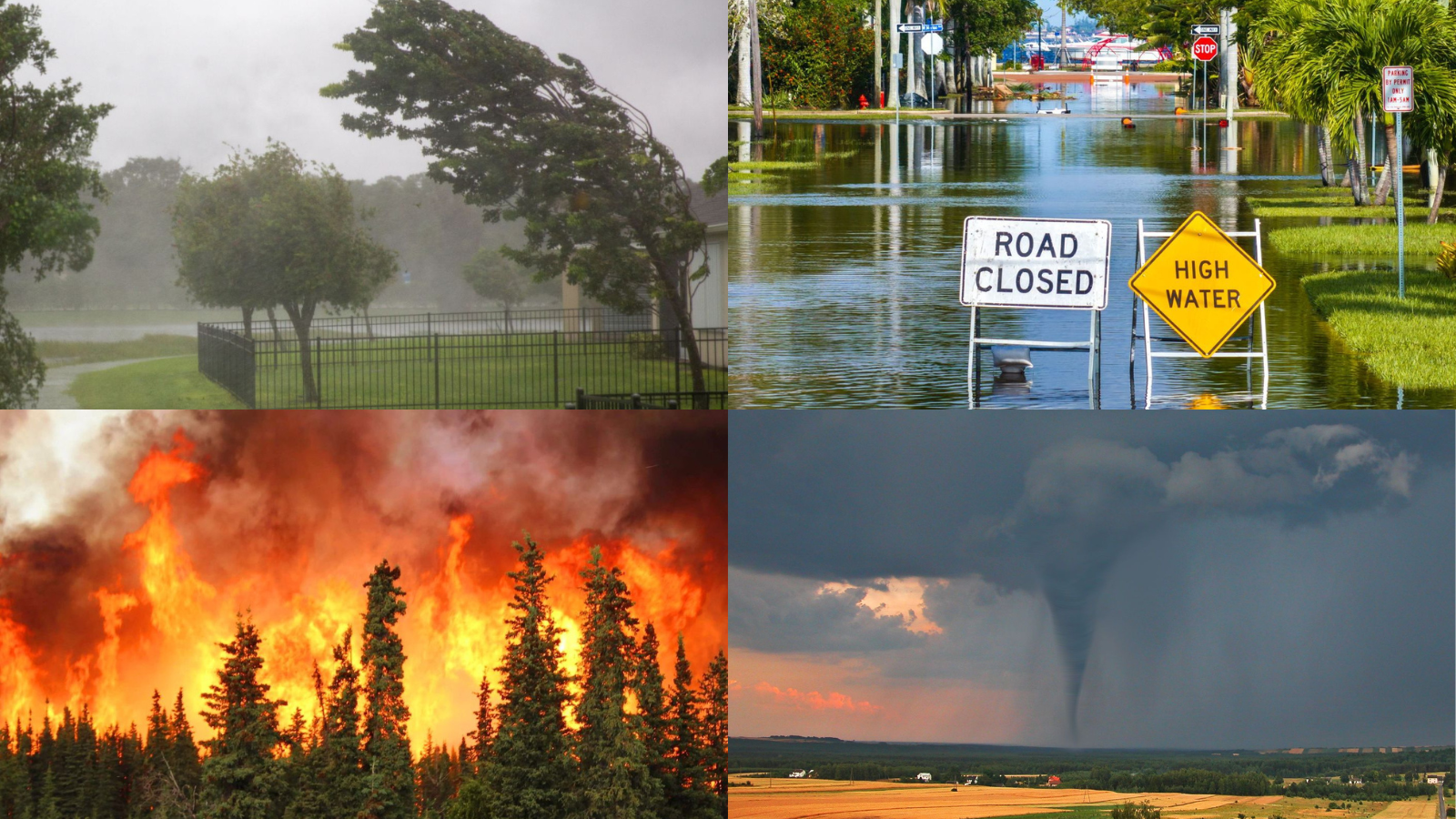
Owning a rental property comes with unique responsibilities, including preparing for unexpected disasters. Whether it's a flood, hurricane, severe storm, wildfire, or winter weather event, emergencies can cause significant property damage and disrupt tenants' lives.
September is National Preparedness Month and serves as a reminder that preparation before a disaster can make all the difference. By planning ahead, maintaining your property, and reviewing your insurance protection, you can help safeguard your investment and reduce potential losses.
Assess Your Property's Risks
Every rental property faces different risks depending on its location. Coastal areas may have hurricane exposure, while inland properties may face flooding, tornadoes, severe thunderstorms, or winter storms.
Understanding the hazards most likely to affect your property allows you to take targeted steps to reduce damage and improve resilience. Reviewing local emergency resources, flood maps, and historical weather patterns can help you identify vulnerabilities before an event occurs.
Review Insurance Coverage Annually
One of the most important preparedness steps is ensuring your insurance coverage aligns with your property's risks.
Review your policy to confirm:
- Building coverage limits
- Liability protection
- Loss of rental income coverage
- Policy deductibles
- Covered causes of loss
- Exclusions and limitations
It's especially important to remember that standard property insurance typically does not cover flood damage. Rental property owners in flood-prone areas should discuss flood insurance options with their insurance professional. Insurance can provide critical financial protection and help support a faster recovery after a disaster.
Perform Preventive Maintenance
Routine property maintenance can help reduce the likelihood and severity of damage during an emergency.
Consider completing the following inspections and maintenance tasks:
- Clean gutters and downspouts
- Inspect roofing materials for damage
- Trim trees and remove dead limbs
- Test smoke and carbon monoxide alarms
- Secure outdoor furniture and equipment
- Check drainage systems and sump pumps
- Inspect windows, doors, and exterior seals
Addressing maintenance concerns before severe weather arrives may help prevent costly repairs later.
Create an Emergency Response Plan
Having a clear emergency plan can help property owners and tenants react quickly when disasters occur.
Your plan should include:
- Emergency contact information
- Emergency maintenance contacts
- Evacuation procedures
- Utility shut-off instructions
- Procedures for reporting property damage
- Communication expectations during emergencies
Make sure tenants know how to access this information and understand what steps to take if an emergency affects the property.
Encourage Tenant Preparedness
Prepared tenants contribute to a safer and more organized response during emergencies.
Encourage residents to:
- Sign up for local emergency alerts
- Build an emergency supply kit
- Create a family communication plan
- Keep important documents protected
- Learn evacuation routes and shelter locations
Sharing preparedness resources with tenants can improve safety and reduce confusion during stressful situations.
Document the Property Before a Loss Occurs
Thorough documentation can simplify the insurance claims process if damage occurs.
Property owners should:
- Take photos of the building's interior and exterior
- Document renovations and improvements
- Maintain records of major equipment and systems
- Store important information digitally and securely
Keeping accurate records can help verify losses and support a more efficient claims experience.
A Small Investment in Preparation Can Make a Big Difference
Disasters often arrive with little warning, but the time spent preparing today can have a significant impact on tomorrow's recovery. By assessing risks, maintaining your property, reviewing insurance coverage, and supporting tenant preparedness, you can better protect your rental property investment.
This National Preparedness Month, take the opportunity to review your preparedness plans and make sure your property is ready for whatever comes next.
Frequently Asked Questions
1. Why is disaster preparedness important for rental property owners?
Disaster preparedness helps rental property owners reduce potential damage, protect tenants, and minimize disruptions caused by emergencies such as floods, hurricanes, severe storms, wildfires, and winter weather events. Taking preventive steps before a disaster occurs can also help speed up recovery and reduce repair costs.
2. Does landlord insurance cover flood damage to a rental property?
In most cases, standard landlord or rental property insurance policies do not cover flood damage. Property owners in areas at risk for flooding should consider purchasing a separate flood insurance policy to help protect their investment from flood-related losses.
3. How often should landlords review their insurance coverage?
Landlords should review their insurance coverage at least once a year and whenever significant property improvements or changes occur. An annual review can help ensure building limits, liability protection, and loss of rental income coverage remain adequate.
4. What maintenance tasks can help prepare a rental property for severe weather?
Important maintenance tasks include cleaning gutters, inspecting the roof, trimming trees, testing smoke and carbon monoxide alarms, checking drainage systems, and sealing windows and doors. Regular maintenance can help reduce the risk of weather-related property damage.
5. What should be included in a rental property emergency plan?
A rental property emergency plan should include emergency contact information, evacuation procedures, utility shut-off instructions, maintenance contacts, damage reporting procedures, and communication guidelines for tenants during and after an emergency.
6. How can landlords help tenants prepare for emergencies?
Landlords can encourage tenants to sign up for local emergency alerts, create emergency supply kits, develop family communication plans, protect important documents, and familiarize themselves with evacuation routes and shelter locations. Providing preparedness resources can improve safety and response efforts during a disaster.
Source: Ready.gov